Trump Just Shook the Markets Again
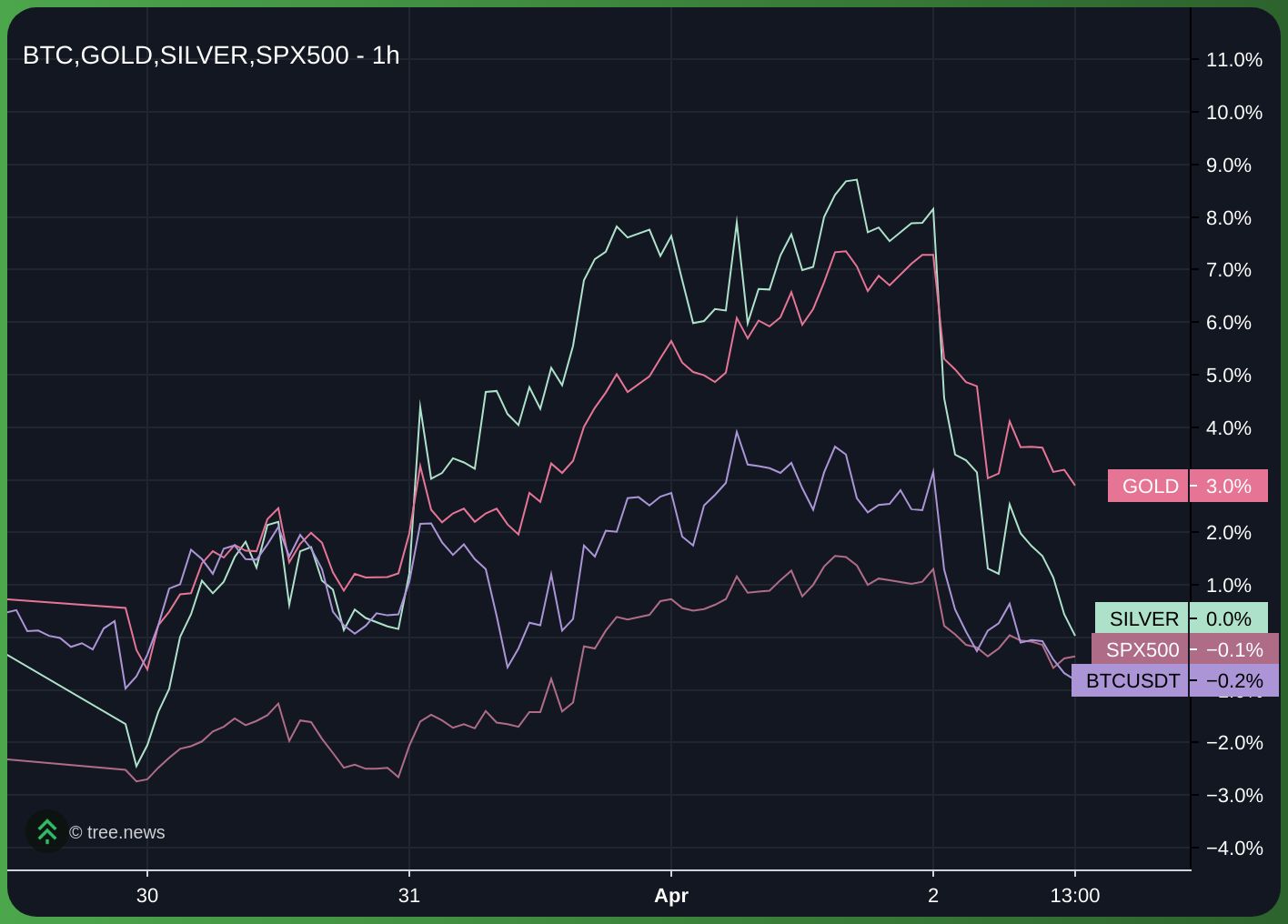
02.04.2026 Rising war tensions are putting pressure on crypto and risk assets

Crypto Report
April 02, 2026
DAILY MARKET OVERVIEW
Trump Just Added Fuel to the Fire
👋 Hey, Crypto Enthusiasts! Escalation fears are creeping back into markets Let’s explore!

Macro just stepped back into the driver’s seat.
In his latest address, Donald Trump warned that the United States is prepared to take extremely strong action against Iran within the next 2 to 3 weeks.
⚠️ Here’s what he made clear:
The conflict could continue for another 2 to 3 weeks
The U.S. is considering targeting key infrastructure if no agreement is reached
Officials say their main objectives are nearly achieved
There were strong remarks about significantly weakening Iran’s capabilities
The U.S. is looking to reduce reliance on the Strait of Hormuz
It was stated that Iran’s naval and air capabilities have been heavily impacted
But the real signal was in what he didn’t say. 🤫
👉️ There was no ceasefire framework.
👉️ No sign that negotiations are actually progressing.
👉️ No concrete plan for stabilizing the Strait of Hormuz.
👉️ And barely any focus on inflation, gas prices, or the pressure building at home.
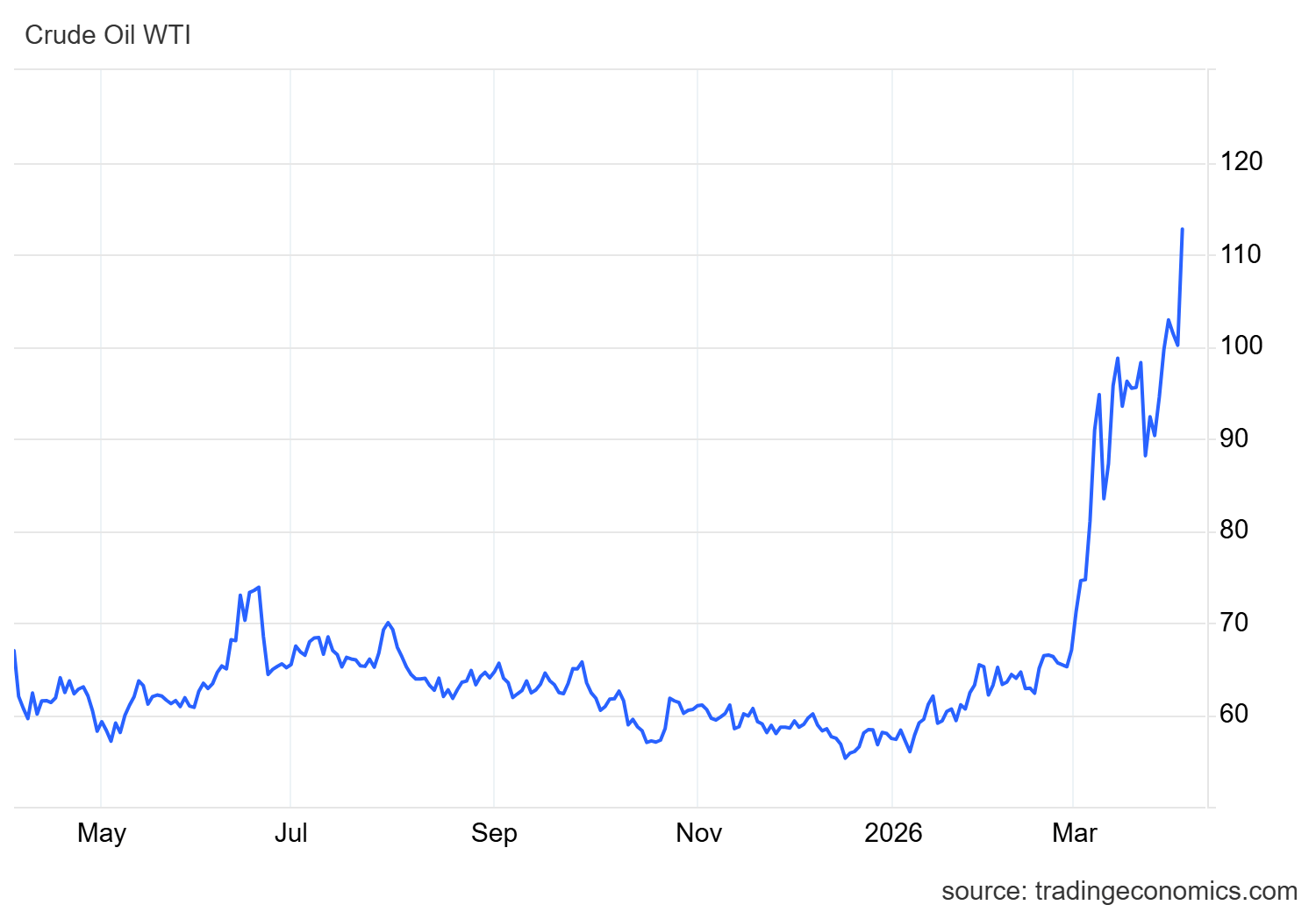
🛢️ Markets reacted instantly.
Oil was falling before the speech. By the end, it had jumped above $103.
That’s the market pricing in escalation, not resolution.
⁉️ What this means for crypto
This kind of uncertainty is exactly what risk assets don’t want.
With tensions rising and no clear path to de-escalation, crypto could remain under pressure in the coming weeks with little room for a clean bounce.
Right now, this isn’t a crypto story.
THIS NEWSLETTER IS BROUGHT TO YOU BY:
OPENWALLET
Next-level security for your digital assets
Experience top security with Open Wallet. Your wallet blends user-friendliness with strong security.
|  |

SOCIAL SENTIMENT
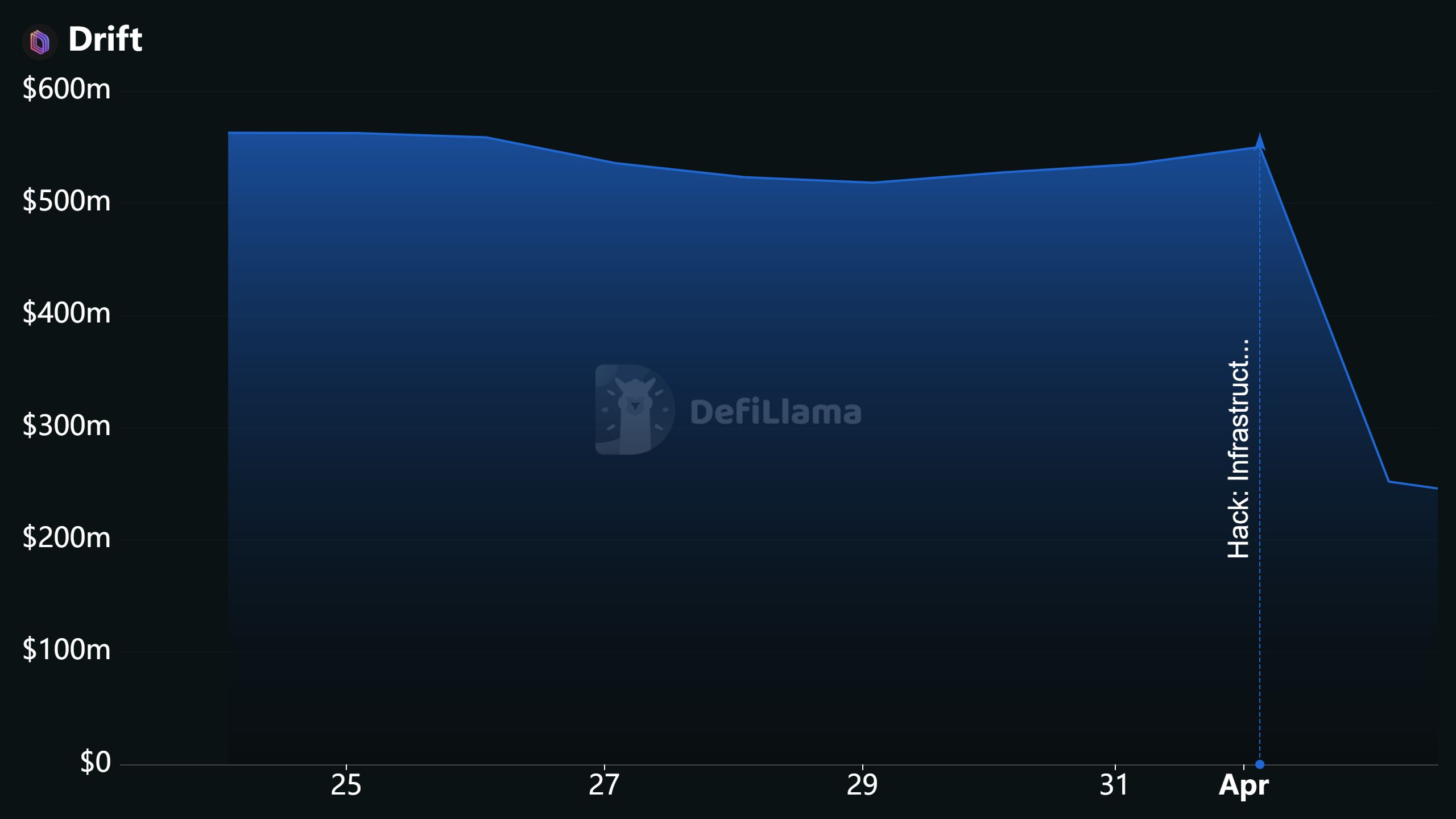
The Biggest Crypto Hack of 2026 Just Happened
🟥 One of the largest DeFi exploits this year just hit.
Solana-based trading platform Drift was exploited for roughly $280 million, making it one of the biggest onchain hacks so far.
But this wasn’t a typical exploit.
There was no obvious bug. Instead, the attacker went after control.
Drift says this was a highly sophisticated admin takeover, where the attacker gained multisig approvals in advance, likely through social engineering, and used pre-signed transactions to execute everything at once.
Once inside, it was over.
They took control of protocol permissions, removed safeguards like withdrawal limits, and drained multiple vaults across SOL, USDC, and BTC-related assets.
🟡 Then came the second phase.
The attacker quickly swapped funds into USDC, bridged to Ethereum, and began accumulating ETH. At one point, the wallet held nearly 20,000 ETH.
⁉️ Why this matters
This wasn’t a code failure. It was a control failure. The weak point wasn’t the smart contracts, it was the human and permission layer around them.
🟠 And the controversy followed fast.
ZachXBT criticized Circle for not freezing over $200M in USDC tied to the exploit in time, raising bigger questions of how the industry fails to react in such events.
Overall..
This wasn’t random. It was planned, patient, and precise.
This is exactly why big players are still cautious about crypto. Exploits like this are still part of the game.
NEWS OVERVIEW
The Latest Crypto Headlines 📰
Coinbase says Clarity Act close to resolving stablecoin yield dispute
Coinbase’s legal chief says U.S. lawmakers are nearing a deal on stablecoin yield rules, a key issue in the Clarity Act that could determine whether crypto can compete with traditional banking products.
eToro launches crypto trading in New York after years of delay
eToro finally rolls out crypto services in New York with a limited token offering, showing how strict BitLicense rules continue to slow expansion even for major global platforms.
BitGo launches institutional stablecoin mint and redemption platform
BitGo introduces a new service enabling institutions to mint, redeem, and manage stablecoins, aiming to become a key infrastructure provider as stablecoin usage grows across finance.
Alabama legalizes DAO-like entities with new blockchain law
Alabama becomes the second U.S. state to recognize DAO-style organizations, giving them legal status and liability protection while supporting the growth of onchain governance models.
YOUTUBE INFLUENCER SUMMARY
Summary From The Top Influencers 📷️
Benjamin Cowen – Into The BabyVerse (02.04.2026 Summary)

Cowen explains why October still looks like the most likely bottom for Bitcoin, but stresses that markets can always surprise and move faster than expected.
Key Points
His base case is still a later bottom (around October), but he reminds that markets don’t follow exact timelines and can bottom earlier if conditions change
He compares this to past markets, where bottoms often happen in October, but sometimes come earlier, like in 1970 when the bottom came in May after a final drop
The key idea is to stay flexible, because markets can:
→ Drag out slowly
→ Or drop quickly and bottom sooner than expectedA major mistake investors make is being right at the top, turning bearish, but then never turning bullish again and missing the next cycle
Cowen emphasizes mindset over predictions:
→ No guarantees in timing
→ Take it step by step
→ Be ready to adapt as data changesHe also reminds that investing is long-term, and the goal is improving life and family outcomes, not just chasing market moves
Final Takeaway
October still looks like the most likely bottom, but it could happen earlier if markets move faster. The real edge is staying flexible, not getting stuck in one view, and being ready to turn bullish again when the time comes.
CoinBureau – $470 Billion Risk: Bitcoin’s Quantum Countdown Starts (02.04.2026 Summary)
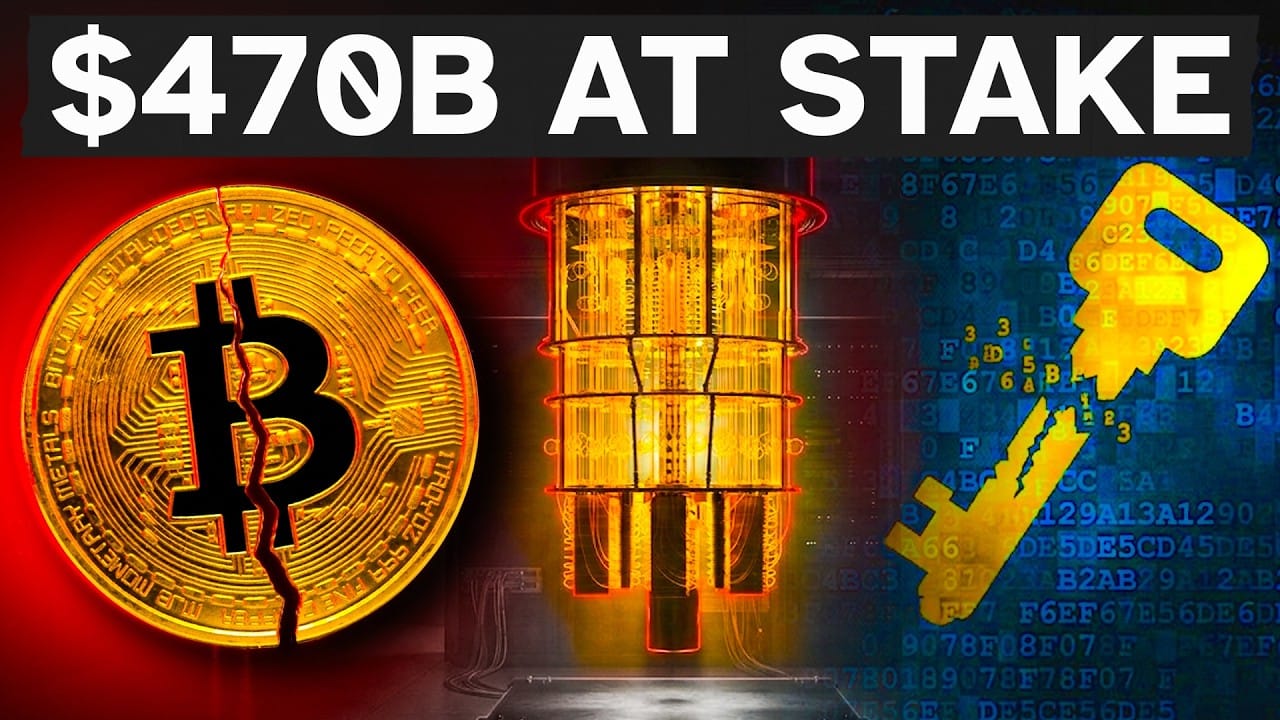
Quantum computing could become a threat to Bitcoin, but the real story is how Bitcoin is already preparing and what solutions are on the table.
Key Points
The main solution being developed is BIP 360, which introduces new wallet types that hide or reduce public key exposure, making it much harder for quantum computers to attack
This upgrade is designed as a safe first step, not a full fix, meaning users would need to actively move funds into these new, more secure addresses
A full solution will likely require new cryptography (post-quantum signatures), but that is a much bigger change and will take years to implement
Another approach is “damage control” (Hourglass), which doesn’t stop attacks but slows them down, giving the market time to react instead of crashing instantly
There are also stronger cryptographic options (like hash-based or lattice-based systems), but they come with trade-offs like larger data size or complexity
The key challenge is speed, because Bitcoin upgrades are slow, meaning preparing early is more important than reacting late
Final Takeaway
The quantum threat isn’t solved yet, but Bitcoin is already working on layered solutions. The likely path is gradual upgrades, starting with BIP 360, followed by bigger changes over time, giving the network time to adapt without breaking it.
CRYPTO MEMES



HELP US IMPROVE
Rate today’s newsletter |
WE ALSO READ
|

|

|


The information provided in this newsletter is for general informational and educational purposes only. It should not be considered financial advice or a recommendation to buy or sell. Please consult a qualified financial advisor for personalized advice that considers your individual financial situation and goals.