Macro Pressure Hits Risk Assets Again
13.05.2026 Markets wobble as CPI surprises higher and investors reassess risk assets.

Crypto Report
May 13, 2026
DAILY MARKET OVERVIEW
Macro Pressure Returns
👋 Hey, Crypto Enthusiasts! Macro pressure continues to build while BTC tries to hold. Let’s explore!

Crypto markets had another choppy session as macro pressure returned to center stage.
The main focus was CPI 💲
📊 Inflation came in hotter than expected, largely driven by energy costs, and markets reacted negatively.
Even though many traders were already bracing for a higher inflation print, the response was still risk-off. Several major AI and semiconductor names sold off throughout the session.
That matters because AI stocks have been one of the strongest momentum trades in the market.
When momentum leaders start to cool off, overall risk appetite usually weakens as well.
⚖️ For Bitcoin, the picture remains mixed.
BTC is still hovering around $80k, but momentum has clearly slowed. Some traders are also pointing to similarities with the previous bear market structure, where rallies eventually rolled over into another leg down.
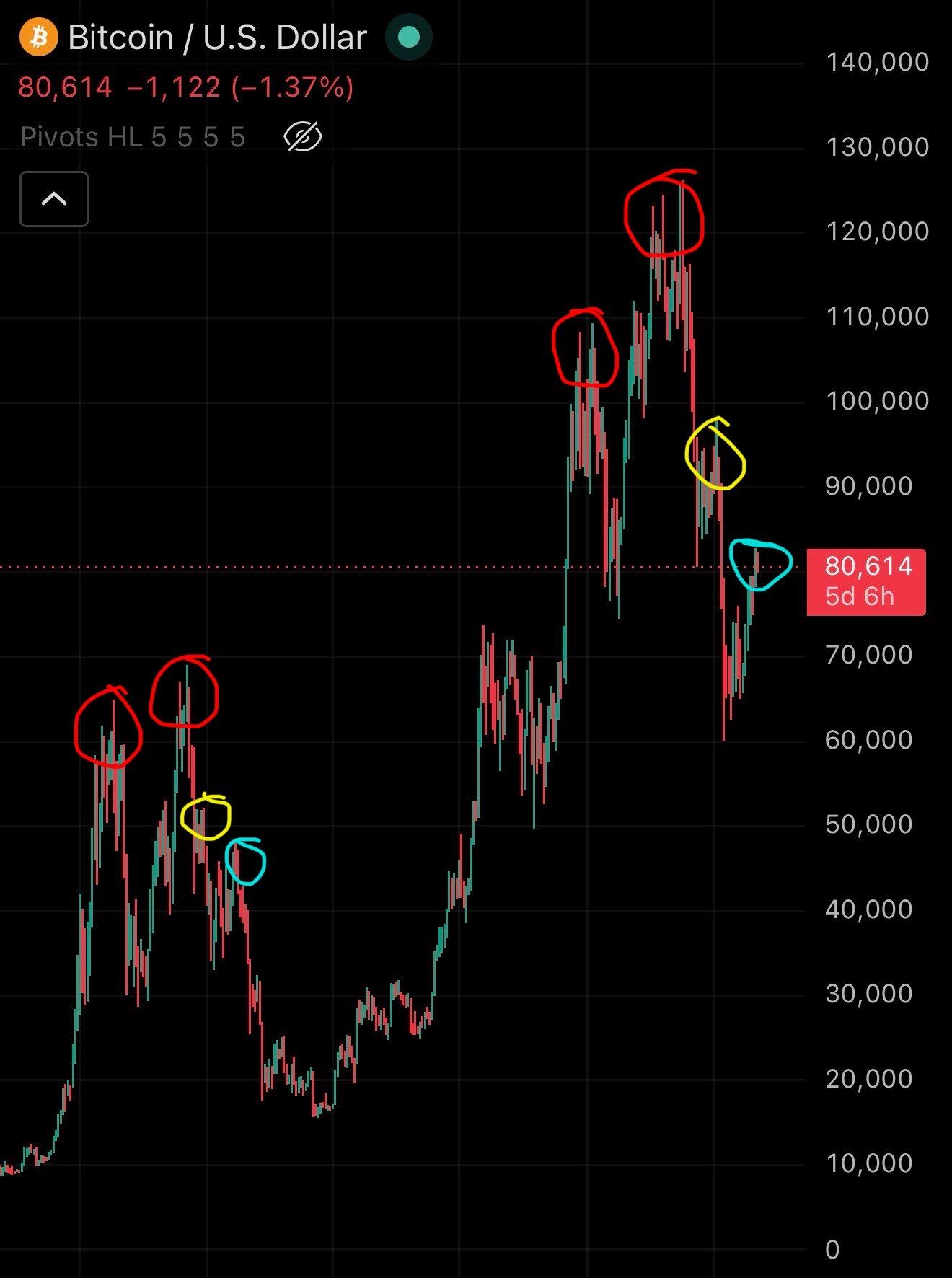
❓️ The bigger question now is whether capital starts rotating out of overheated AI names and into other areas like crypto, or whether it flows toward defensive assets such as gold and silver instead.
That rotation has not fully happened yet, but it’s something worth watching closely.
⚠️ The macro backdrop remains complicated, with inflation and oil prices still acting as the main concerns.
For now, crypto is not leading the market, but it’s not showing major weakness either. The next few days are important, especially with Strategy’s ex-dividend date approaching in two days and traders watching whether Saylor can continue supporting price momentum.
THIS NEWSLETTER IS BROUGHT TO YOU BY:
OPENWALLET
Next-level security for your digital assets
Experience top security with Open Wallet. Your wallet blends user-friendliness with strong security.
|  |

SOCIAL SENTIMENT
Institutions Keep Betting on Ethereum
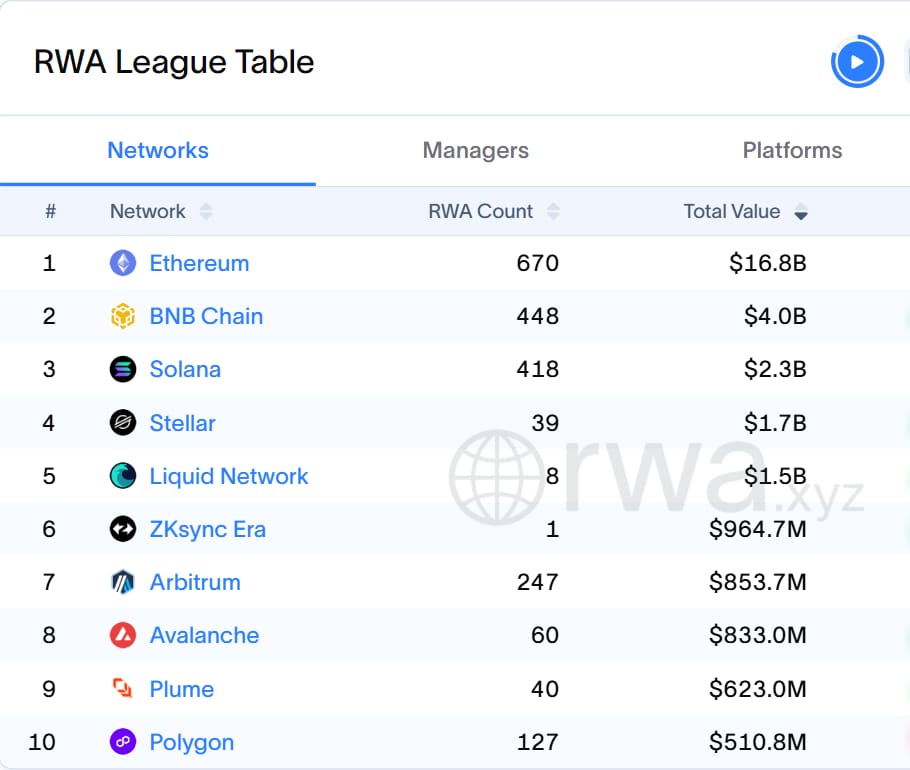
Ethereum is starting to become the system big financial companies use behind the scenes, not just a place for crypto trading.
🏢 BlackRock recently filed to put part of its $7 billion Treasury fund on Ethereum.
The shares will exist as ERC-20 tokens, meaning they can move on-chain like crypto assets. Even BNY Mellon, one of the biggest banks in the world, will help manage the records directly on Ethereum.
👀 Now JPMorgan is doing something similar.
The bank just filed for a new money market fund that will run on Ethereum through its Kinexys platform. The fund will hold U.S. Treasuries, but Ethereum will be used to move the assets, settle transactions, and provide 24/7 access.
The important thing here is that these are not small crypto startups testing ideas.
BlackRock and JPMorgan are two of the biggest names in traditional finance, and both are building real financial products on Ethereum.
Why ❓️ Because blockchain can move money faster, stay open all day, and remove a lot of the delays that exist in traditional finance.
JPMorgan’s filing also says the product could eventually support stablecoin reserves under the GENIUS Act framework. In simple terms, Ethereum is starting to become part of the infrastructure banks may use for digital dollars and tokenized assets.
🌐 The bigger trend is becoming very clear.
Traditional finance is slowly moving on-chain, and Ethereum is currently the network leading that shift.
NEWS OVERVIEW
The Latest Crypto Headlines 📰
First Hyperliquid ETF Debuts With Strong Opening Volume
21Shares launched the first-ever Hyperliquid ETF under ticker THYP, recording $1.8 million in first-day trading volume as institutional demand for HYPE exposure grows.
Charles Schwab Rolls Out Direct BTC And ETH Trading
Charles Schwab officially launched spot bitcoin and ether trading for select retail clients, expanding beyond ETFs and derivatives into direct crypto ownership.
Kelp DAO And Aave Restart rsETH Recovery Process
Kelp DAO and Aave will resume rsETH withdrawals and bridging after raising over $300 million to recover from April’s massive Lazarus-linked exploit.
eToro Crypto Revenue Falls 39% Amid Market Slowdown
eToro reported crypto revenue falling from $3.5 billion to $2.15 billion in Q1 as trading activity weakened across the broader crypto industry.
YOUTUBE INFLUENCER SUMMARY
Summary From The Top Influencers 📷️
Benjamin Cowen – Inflation Rises to 3.8% (13.05.2026 Summary)
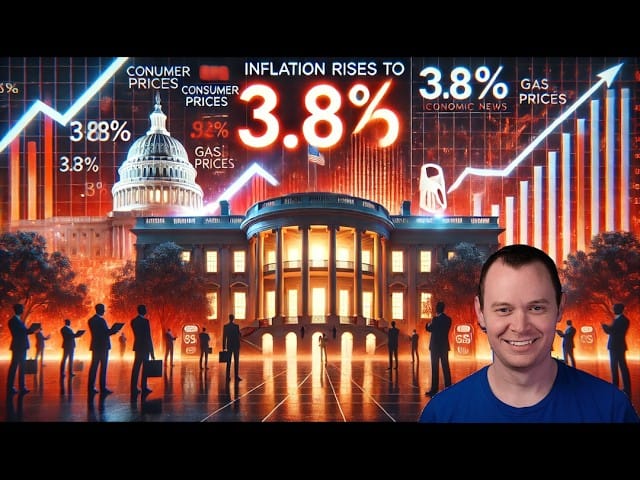
Benjamin Cowen says inflation rising to 3.8% is making it much harder for the Federal Reserve to cut interest rates, especially with energy prices driving inflation higher.
Key Points
CPI inflation rose to 3.8%, above expectations, while core inflation also came in hotter than expected
Cowen says the rise is mainly supply-driven due to higher energy prices and Middle East tensions
Markets are now pricing out rate cuts for 2026 and even starting to price in possible rate hikes in 2027
Bitcoin has held up relatively well, but altcoins continue bleeding against BTC as liquidity expectations weaken
He argues crypto is more sensitive to monetary policy because altcoins rely heavily on speculation and loose liquidity
The Fed is in a difficult position because inflation is rising while the labor market still looks stable
If unemployment starts rising while inflation stays high, Cowen says the Fed could become “checkmated”
He still sees strength in sectors like energy, metals, and some international markets during this late-cycle environment
Final Takeaway
Cowen believes rising inflation and energy prices are reducing the chances of rate cuts, which is negative for high-risk assets like altcoins. While markets remain strong for now, he warns that a mix of sticky inflation and future labor market weakness could create bigger macro problems later on.
Paul Barron – CLARITY Final Bill Revealed!! (13.05.2026 Summary)
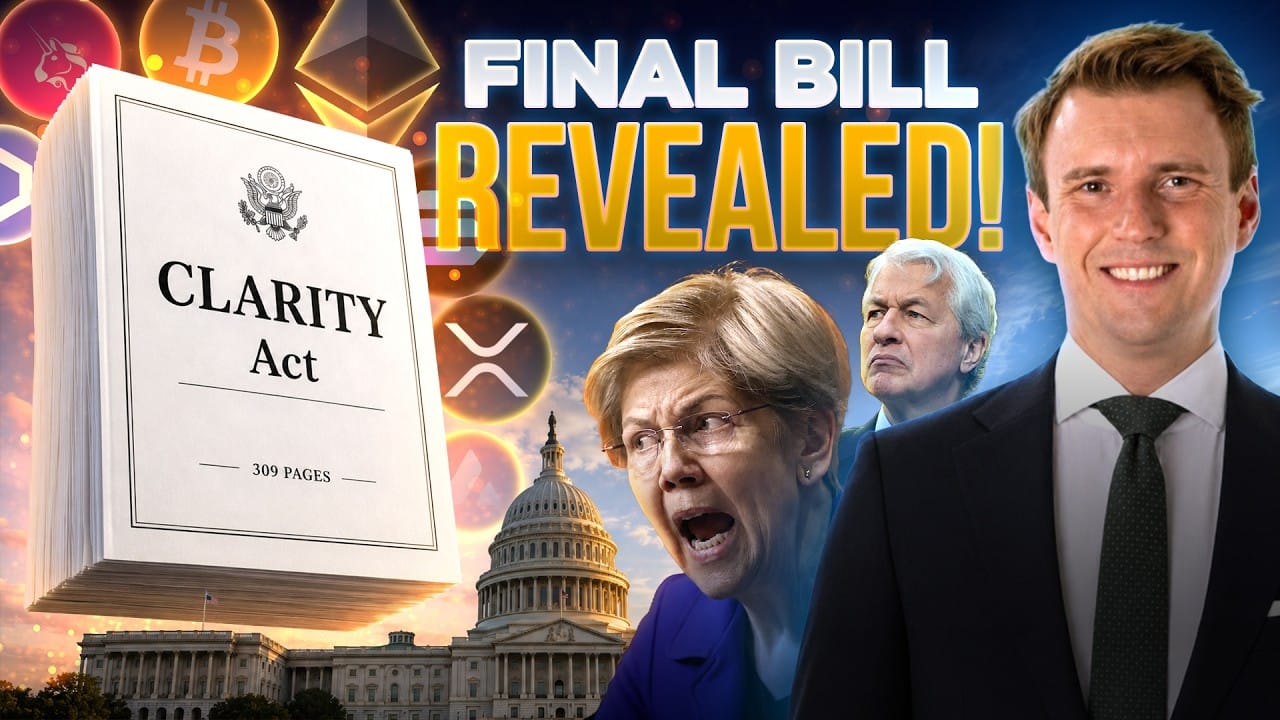
Paul Barron says the final CLARITY Act draft looks broadly positive for crypto, with strong protections for self-custody, DeFi developers, and non-security token classification.
Key Points
The final bill text includes strong self-custody protections
Developers, node operators, validators, and wallet infrastructure builders receive legal protection
The bill separates decentralized governance from centralized companies
Many crypto tokens could officially be treated as non-securities under federal law
Ron Hammond says the bill strikes a balance between protecting DeFi developers and allowing action against bad actors
Self-custody and DeFi protections are seen as key red lines for the crypto industry
The next step is markup, where senators can debate and add amendments
After markup, the bill must be combined with the Agriculture Committee version before a Senate floor vote
The biggest challenge remains getting 60 Senate votes, including support from several Democrats
Banks are still lobbying against parts of the bill, especially stablecoin yield rules
Final Takeaway
Barron’s view is that the CLARITY Act draft is stronger than expected for crypto. The bill still faces political hurdles, but if self-custody and DeFi protections survive, it could become a major win for the US crypto industry.
CRYPTO MEMES



HELP US IMPROVE
Rate today’s newsletter |
WE ALSO READ
|

|

|


The information provided in this newsletter is for general informational and educational purposes only. It should not be considered financial advice or a recommendation to buy or sell. Please consult a qualified financial advisor for personalized advice that considers your individual financial situation and goals.