Bitcoin Is Pumping Into Chaos
14.04.2026 Geopolitics are bearish, but one man is quietly driving $1B+ into BTC

Crypto Report
April 14, 2026
DAILY MARKET OVERVIEW
The Force Behind Bitcoin’s Strength
👋 Hey, Crypto Enthusiasts! Let’s explore how STRC flows and dividend mechanics are fueling BTC.

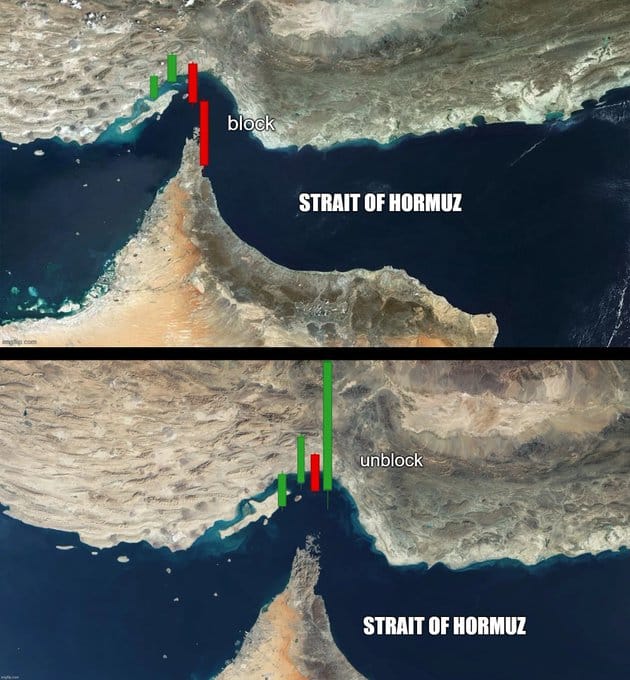
The market environment remains highly uncertain. Over the weekend, attempted talks between the U.S. and Iran failed, triggering a downside reaction across markets. At the same time, renewed threats about closing the Strait of Hormuz have added further pressure again.
🐂 Despite all of this, the crypto market has held up remarkably well and is even pushing higher. How?
The answer, as you might already suspect, is Michael Saylor.
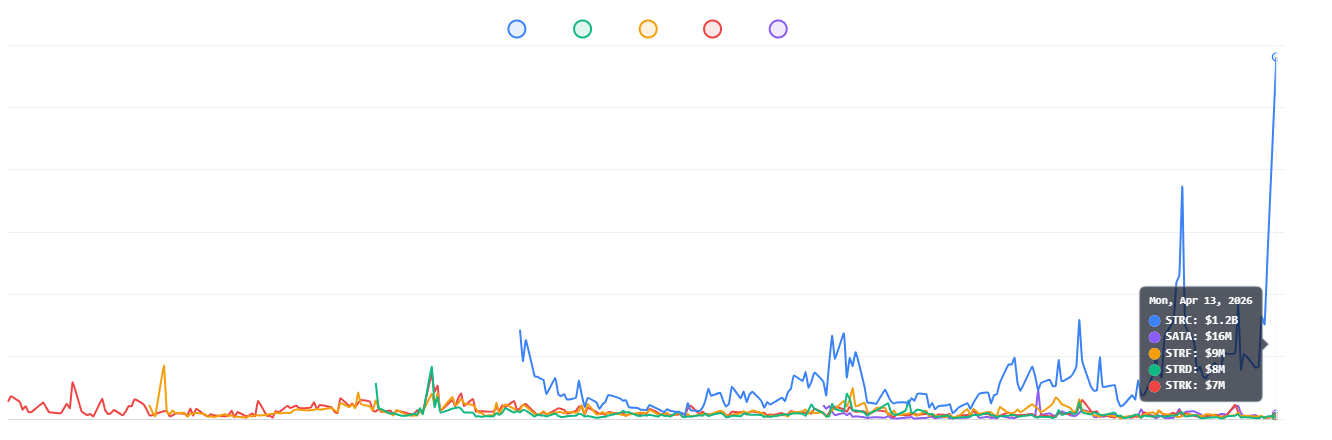
Through his company Strategy and its instrument STRC, over $1 billion worth of Bitcoin has been purchased in the past week alone. STRC has also just recorded its highest volume day ever.
So what’s driving this?
Ex-Dividend Date ❗️
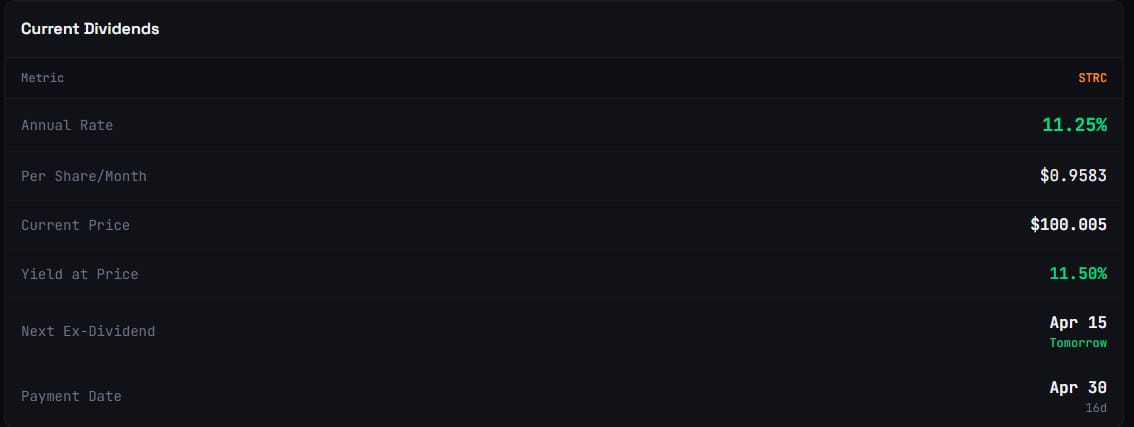
The ex-dividend date is the cutoff for receiving the next dividend payment. For STRC, that date is April 15.
Buy before the ex-dividend date → you receive the dividend
Buy on or after the ex-dividend date → the seller receives the dividend
To qualify for the next payout, investors must own shares before the ex-dividend date.
Why This Creates Massive Volume and BTC Buying ❓️
Investors rush to buy STRC in the days leading up to the ex-dividend date to secure the monthly dividend, which is around $0.96 per share. This surge in demand explains the spike in volume, with over $1 billion flowing in.
Strategy then takes that inflow of capital and deploys it into Bitcoin. That is the core of the strategy: raise capital through equity-like instruments and convert it into BTC exposure.

What Happens Next ❓️
Once the ex-dividend date passes, the buying frenzy typically fades. Inflows slow down significantly, which can reduce demand for Bitcoin.
So if you’re considering longing BTC, it’s worth keeping this dynamic in mind.
THIS NEWSLETTER IS BROUGHT TO YOU BY:
OPENWALLET
Next-level security for your digital assets
Experience top security with Open Wallet. Your wallet blends user-friendliness with strong security.
|  |

SOCIAL SENTIMENT
SEC Just Gave Crypto Builders a Bit More Breathing Room
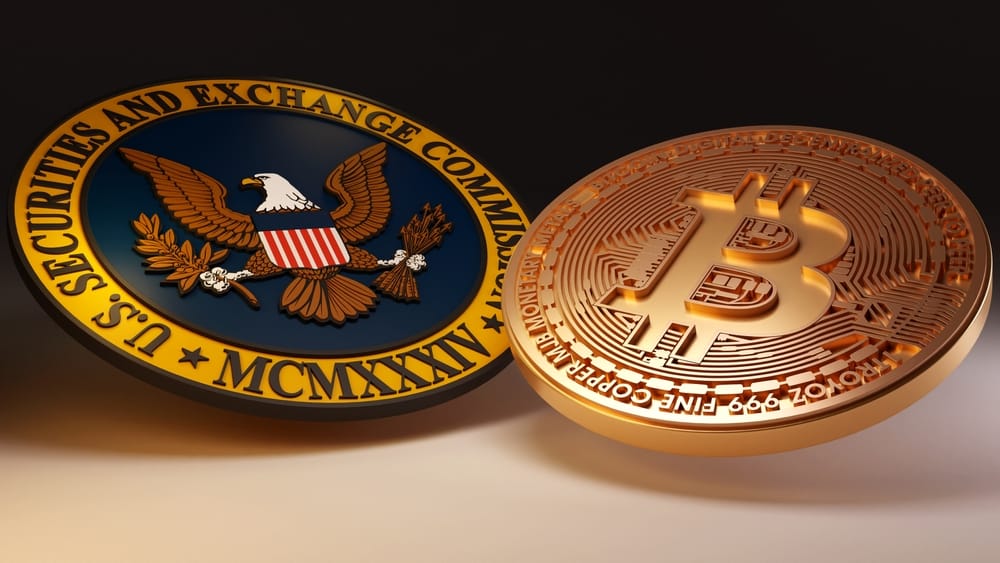
The U.S. Securities and Exchange Commission (SEC) just made a subtle move that could reshape how crypto products get built.
In a new staff statement, the agency signaled that certain crypto interfaces, like wallet apps, trading dashboards, and browser extensions, may not need to register as broker-dealers, as long as they act like neutral tools rather than financial middlemen.
What counts as a “neutral tool” ❓️
No holding user funds
No telling users what to buy or sell
No “best price” or trade nudging
Just executing what the user chooses
Real-world examples 👇
MetaMask: A wallet that lets users connect directly to blockchain apps and sign transactions themselves.
Uniswap: A DeFi interface where users swap tokens via smart contracts, without a middleman controlling trades.
Portfolio trackers: Tools that simply display balances or route trades without influencing decisions.
Why this matters?
Builders get more room to focus on actually making products people want to use, instead of designing around heavy compliance from day one.
It lowers the barrier to launching new apps, since not every interface that touches trading risks being labeled a broker. That, in turn, could speed up innovation across wallets, DeFi platforms, and onchain trading tools.
This also signals a shift from the stricter stance under Gary Gensler, where most crypto activity risked being pulled into securities rules.
It’s not a final rule, but it’s a strong signal. And signals like this tend to shape what gets built next.
NEWS OVERVIEW
The Latest Crypto Headlines 📰
OneCoin Victims Can Now Claim Funds
US opens a compensation process for OneCoin victims, offering $40M in recovered funds, though total losses from the $4B scam remain far higher.
Stablecoin Yield Debate Nears Turning Point
US lawmakers move closer to resolving whether crypto firms can offer interest on stablecoins, as banks and exchanges remain divided.
Ondo Pushes Tokenized Stocks Forward
Ondo seeks SEC approval to track stock ownership on Ethereum, signaling growing momentum for tokenized real-world assets in financial markets.
Crypto Dad Goes All-In on Industry
Former CFTC chair Chris Giancarlo shifts fully into crypto advisory roles, continuing to shape digital asset policy and innovation from the private sector.
YOUTUBE INFLUENCER SUMMARY
Summary From The Top Influencers 📷️
Benjamin Cowen – Bitcoin: Realist Vs. Doomer (14.04.2026 Summary)
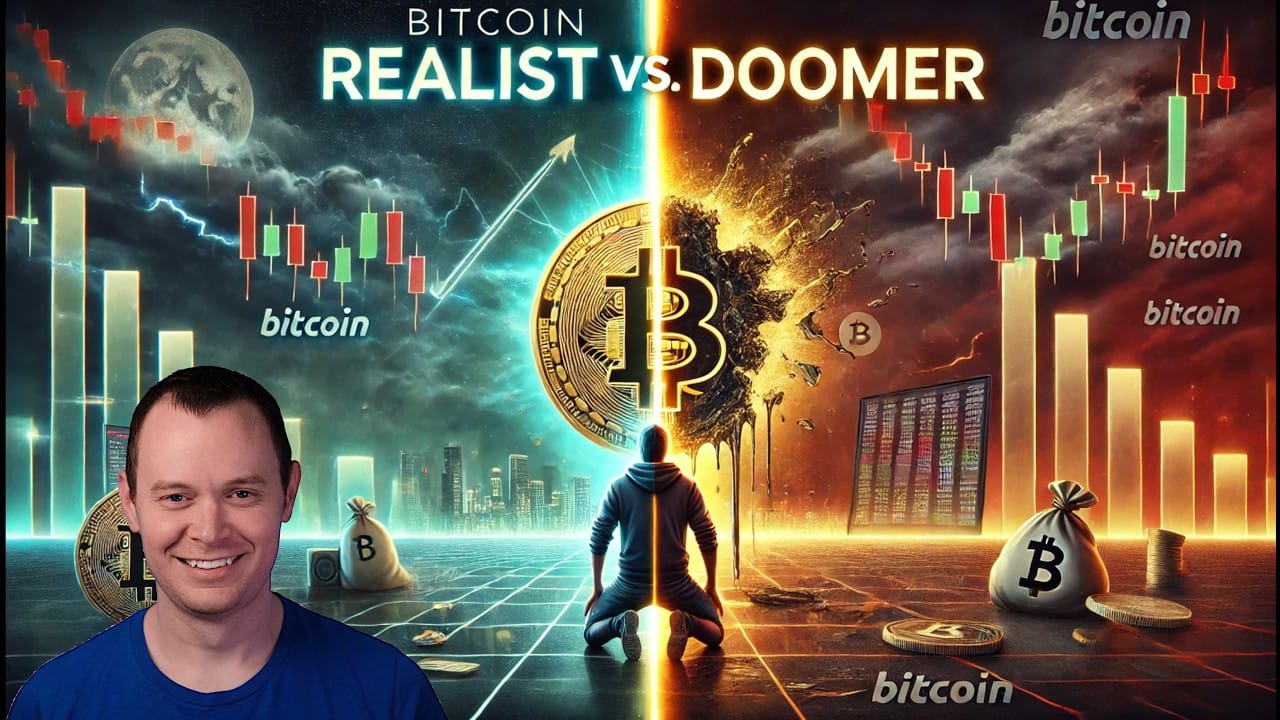
Benjamin Cowen argues that expecting a significant Bitcoin correction is not extreme, it is a realistic view based on past cycles. He sees the current market as a typical bear phase rather than a breakdown.
Key Points
Bitcoin likely topped near $126K and has already dropped about 50%, signaling a bear market phase
His base case is a ~70% total correction, which matches how Bitcoin behaved in previous cycles
This would put a potential bottom roughly in the $30K to $50K range
Even non-euphoric tops in the past still led to deep drawdowns, so a large drop is not unusual
Macro conditions matter, with signs pointing to a late economic cycle and possible recession ahead
Several key indicators that usually confirm a market bottom have not triggered yet
The “doomer” scenario is not 70%, but a deeper and longer decline driven by broader market weakness
Final Takeaway
A 70% drop would be normal for Bitcoin, not extreme. If that plays out, it could offer a strong long-term buying opportunity, even if sentiment turns very negative.
Paul Barron – No CLARITY Causing Ultimate Black Swan Crash? (14.04.2026 Summary)

Paul Barron argues that the biggest risk to crypto right now is the lack of regulatory clarity. He believes this uncertainty could trigger a major “black swan” event if key legislation does not pass in time.
Key Points
The market is already fragile, with weak sentiment and growing macro concerns increasing downside risk
The Clarity Act is seen as the key catalyst, delays could keep uncertainty high and pressure the market
Risky behavior from projects like World Liberty Fi, including borrowing against their own tokens, mirrors past collapses like FTX
Liquidity issues and leverage in these systems could trigger chain reactions if prices drop
Ongoing hacks, scams, and exploits highlight how exposed the industry still is without clear rules
Without regulation, problems across DeFi and centralized platforms could escalate quickly
A worst case scenario could lead to a sharp market-wide sell-off, similar to the FTX crash or worse
Final Takeaway
Barron believes everything depends on regulation. If clarity comes, the market stabilizes. If not, the current risks could snowball into a major crash.
CRYPTO MEMES


HELP US IMPROVE
Rate today’s newsletter |
WE ALSO READ
|

|

|


The information provided in this newsletter is for general informational and educational purposes only. It should not be considered financial advice or a recommendation to buy or sell. Please consult a qualified financial advisor for personalized advice that considers your individual financial situation and goals.